How New Businesses Can Thrive and Grow in a Competitive Market
Starting a new business is only the first step. This guide explains how new businesses can build a strong foundation, attract customers, manage money, use digital tools, compete with established brands, and create a sustainable path to long-term growth.
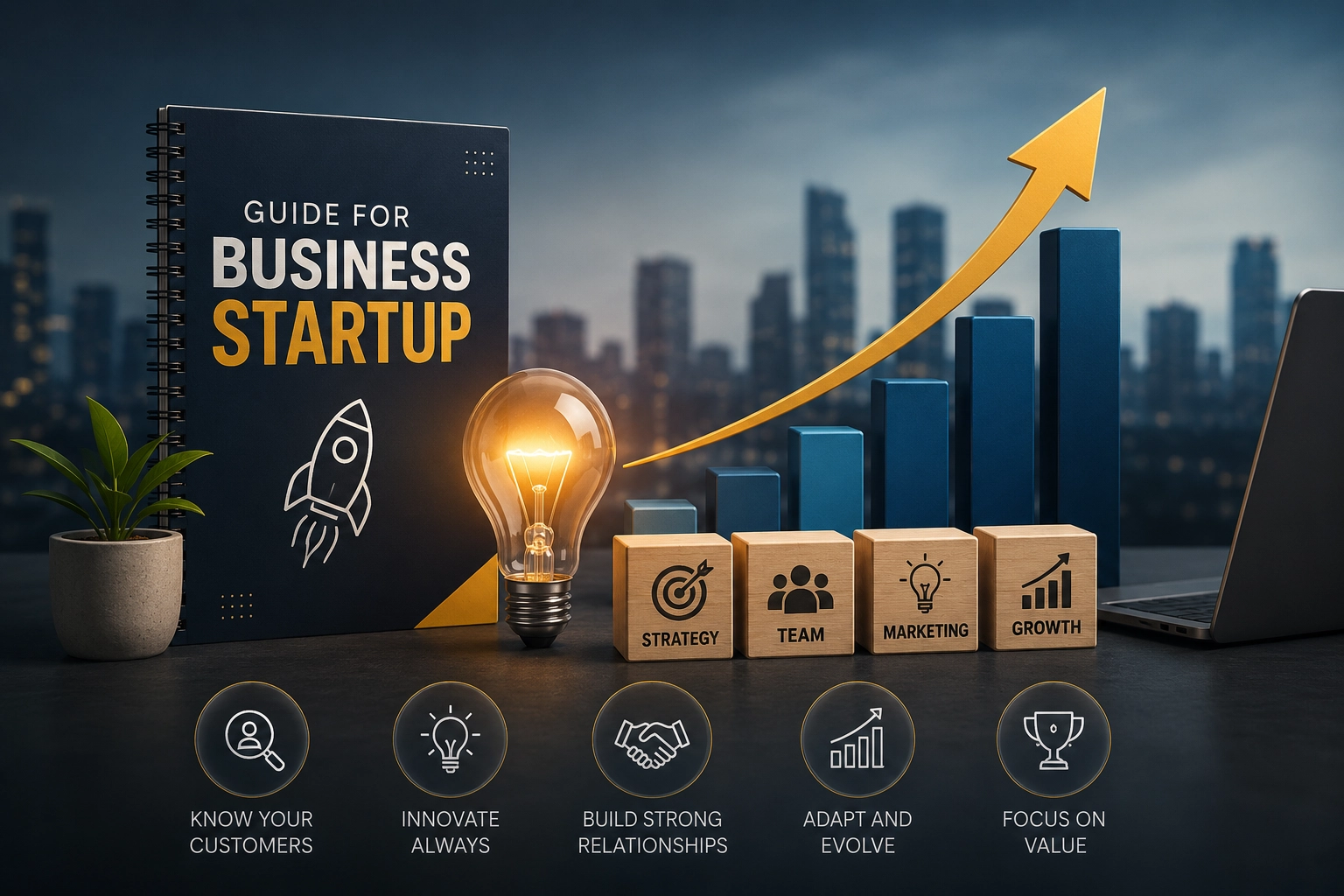
Starting a new business can be exciting, but turning that business into something stable and profitable requires much more than having a good product or service. Many new businesses fail to grow because their owners concentrate heavily on launching the business but do not have a clear strategy for attracting customers, controlling expenses, building trust and adapting to changes in the market.
The good news is that a new business does not necessarily need a huge amount of money or a large team to begin growing. What matters more is understanding the market, solving a real problem, knowing who the ideal customers are and consistently giving those customers a reason to choose the business over its competitors. A small company with a clear strategy can gradually build the foundation required to compete with much larger businesses.
Start With a Problem People Actually Need Solved
One of the biggest mistakes new entrepreneurs make is starting with a product instead of starting with a problem. A business becomes more valuable when it solves something that people genuinely care about, saves customers time or money, makes their lives easier or provides an experience they cannot easily find elsewhere.
Before investing heavily in a new business, entrepreneurs should spend time understanding the people they intend to serve. What are their frustrations? What products or services are they already paying for? What do they dislike about existing options? The answers to these questions can reveal opportunities that may be more valuable than simply copying what another successful business is already doing.
A strong business idea should therefore be connected to a clearly identifiable customer need. If customers immediately understand why a product or service is useful to them, marketing becomes easier because the business is communicating a real benefit rather than simply trying to convince people to buy something.
Know Exactly Who Your Customers Are
A business cannot effectively sell to everyone. New businesses often make their marketing too broad because they believe reaching more people automatically means generating more customers. In reality, a clearly defined target audience can make marketing more focused, less expensive and significantly easier to measure.
For example, a clothing business could target everyone who wears clothes, but that description is too broad to create a strong marketing strategy. It could instead focus on young professionals looking for affordable workwear, students searching for fashionable clothing or customers interested in premium traditional outfits. Each group has different needs, budgets and reasons for buying.
The more clearly a business understands its ideal customer, the easier it becomes to decide what products to offer, what language to use in advertisements, which platforms to focus on and what type of content to publish. Customer knowledge should become one of the most important assets a new business develops.
Build Trust Before Trying to Build a Large Customer Base
People are often reluctant to spend money with a business they do not know, particularly when that business is new. This makes trust one of the most important currencies for a growing company. Customers want to know that the business is legitimate, that their money is safe and that they will receive what they paid for.
A professional website, clear contact information, transparent pricing, reliable customer support and genuine customer reviews can all help establish credibility. Businesses should also make it easy for customers to understand who they are, what they offer and how customers can reach them when something goes wrong.
Trust is not created through one advertisement. It is built through repeated positive experiences. When a business consistently keeps its promises, responds professionally to complaints and delivers quality products or services, customers become more comfortable buying again and recommending the business to other people.
Make Your Business Easy to Find Online
For many modern businesses, having an online presence is no longer optional. Customers frequently search online before deciding where to buy a product or service, even when the final transaction happens offline. A business that cannot be found online may lose potential customers before it gets an opportunity to explain what it offers.
A new business should establish a professional digital presence that matches its target audience. Depending on the business, this could include a website, Google Business Profile, social media accounts, an online store, business messaging channels and useful content that answers questions customers are already searching for.
Search engine optimization can also become a powerful long-term growth strategy. Instead of relying entirely on paid advertisements, businesses can create useful pages and articles around questions related to their products and services. Over time, this content can bring visitors from search engines who are already interested in the problem the business solves.
Do Not Depend on One Marketing Channel
One of the most dangerous situations for a growing business is becoming completely dependent on one platform for customers. An algorithm change, advertising price increase, account restriction or sudden decline in reach can quickly affect sales when there is no alternative source of customers.
New businesses should gradually build multiple customer acquisition channels. Social media can help create awareness, search engines can provide long-term organic traffic, email can help maintain relationships with existing customers and referrals can introduce the business to people who already trust its customers.
This does not mean a new business needs to be active on every platform at once. It is usually more effective to identify where the target customers already spend their time and become exceptionally good at reaching them there before expanding into additional channels.
Focus on Getting the First Customers and Learning From Them
The first customers are more valuable than their revenue alone suggests. They provide real information about whether the product works, whether the pricing makes sense, what customers like, what they dislike and what needs to be improved.
Instead of waiting for a perfect product before approaching the market, entrepreneurs can use early customers to test their assumptions. Feedback from real buyers can reveal problems that may not have been visible during the planning stage.
New businesses should therefore treat their early customers as a source of market intelligence. Every complaint, question, repeat purchase and recommendation can provide information that helps the business improve its product and customer experience.
Give Customers a Reason to Come Back
Getting someone to make a first purchase is important, but building a business around repeat customers can create a much stronger foundation. If every sale requires finding a completely new customer, the company may have to spend increasingly more money on marketing simply to maintain its revenue.
Businesses should think about what would make customers return. It could be consistently high quality, excellent customer service, convenient ordering, loyalty rewards, personalized recommendations, subscriptions, useful follow-up communication or new products that genuinely complement previous purchases.
A satisfied customer can also become one of the cheapest and most powerful marketing channels available to a small business. When people have a positive experience, they can recommend the business to friends, family, colleagues and followers, creating new opportunities without the business paying directly for every introduction.
Price Your Products With the Business in Mind
Many new entrepreneurs make pricing decisions based mainly on what competitors charge. While competitor pricing can provide useful information, it should not be the only factor determining what a business charges.
A sustainable price needs to consider the cost of producing or acquiring the product, delivery, packaging, salaries, technology, marketing, taxes, transaction fees and other operating expenses. A business that generates many sales but loses money on every transaction is not actually growing in a healthy way.
New businesses should understand their numbers from the beginning. Knowing the cost of acquiring a customer, average order value, profit margin, monthly expenses and cash flow can help entrepreneurs make better decisions and identify problems before they become serious.
Control Expenses Without Destroying Quality
Growth does not mean spending money simply because the business is making more revenue. One of the most common problems growing businesses encounter is increasing expenses faster than income. A company can appear successful from the outside while quietly becoming financially unstable.
Entrepreneurs should regularly examine where their money is going and distinguish between expenses that contribute directly to growth and expenses that merely make the business look bigger. Hiring employees, purchasing software, renting larger spaces or increasing advertising budgets should have a clear reason behind them.
The goal should not be to spend as little as possible. The goal is to spend intelligently. Some investments can dramatically increase productivity or sales, while others can create unnecessary financial pressure before the business is ready for them.
Use Technology to Work Smarter
Technology gives small businesses an opportunity to operate more efficiently without immediately building a large workforce. Accounting software, customer relationship tools, online payment systems, analytics platforms, scheduling tools, inventory systems and artificial intelligence can reduce repetitive work and give business owners more time to focus on important decisions.
Artificial intelligence is becoming particularly useful for new businesses because it can assist with tasks such as generating marketing ideas, analyzing customer feedback, creating content drafts, answering common questions, organizing information and supporting research. However, technology should support the business strategy rather than replace the need for human judgment.
The most effective businesses will be those that use technology to improve speed and efficiency while maintaining the human elements customers value. Automation can make a business faster, but trust, empathy, creativity and good decision-making still play an important role in building long-term customer relationships.
Turn Customer Service Into a Competitive Advantage
A new business may not be able to compete with an established company on advertising budgets, physical locations or brand recognition. Customer service, however, is an area where a smaller company can often compete very effectively.
Responding quickly, communicating clearly, acknowledging mistakes and treating customers respectfully can create an experience that people remember. A customer who feels valued may remain loyal even when a competitor offers a slightly lower price.
Customer service should therefore not be treated as something that happens only after a customer complains. It should be part of the entire business experience, from the first question a potential buyer asks to the support provided after a purchase.
Create Content That Helps Customers
Content can become one of the most effective ways for a new business to attract people without constantly paying for advertisements. Instead of publishing content simply to promote products, businesses should create useful information that helps their target customers solve problems and make decisions.
A business selling skincare products, for example, could publish educational content about choosing products for different skin types. A technology company could explain common software problems and their solutions. A financial service could create educational resources that help customers understand financial concepts relevant to its services.
Useful content can build authority while also creating opportunities for search engine traffic. When potential customers repeatedly find helpful answers from a business, they may become more familiar with the brand before they are ready to make a purchase.
Measure What Is Actually Working
Business growth becomes much easier to manage when decisions are based on evidence rather than assumptions. New entrepreneurs should establish a small number of important metrics and monitor them consistently.
These can include website visitors, leads, conversion rate, customer acquisition cost, repeat purchase rate, average order value, revenue, profit margin and customer retention. The exact metrics will depend on the business model, but the principle remains the same: entrepreneurs need to understand what is producing results and what is wasting resources.
A marketing campaign that receives thousands of views may look successful, but views alone do not necessarily create a successful business. If those views do not produce leads, sales or meaningful customer engagement, the business may need to change its strategy.
Do Not Try to Grow Too Fast
Rapid growth sounds attractive, but growing faster than a business can handle can create serious problems. A sudden increase in orders can overwhelm customer support, expose weaknesses in inventory management and create delivery delays. Hiring too quickly can increase expenses before revenue becomes stable.
Healthy growth means building systems that can handle increasing demand. Before aggressively pursuing more customers, a business should make sure it can deliver its existing product or service consistently.
The strongest businesses often grow through a series of manageable stages. They find a product-market fit, establish repeatable processes, improve customer retention, strengthen their finances and then expand when the foundation is strong enough to support the next level.
Learn From Competitors Without Becoming a Copy
Competitors can provide valuable information about the market, but copying another company rarely creates a distinctive brand. New businesses should study competitors to understand what customers already have available and where there may be opportunities to offer something better.
Entrepreneurs can examine competitors' pricing, customer reviews, marketing messages, product features, delivery experience and areas where customers appear dissatisfied. Negative reviews can sometimes be particularly useful because they reveal problems that customers are actively experiencing.
The objective should be to identify gaps rather than simply imitate successful companies. A new business becomes more competitive when it can answer a simple question clearly: Why should a customer choose us instead of the alternatives?
Build a Brand People Can Remember
A brand is more than a logo or a business name. It is the collection of experiences and expectations customers associate with a company. New businesses should therefore create consistency across their website, packaging, social media, communication and customer service.
A memorable brand usually has a clear identity and a reason for existing beyond simply making sales. Customers should be able to understand what the business stands for, who it serves and what makes its approach different.
Brand building takes time, but every interaction contributes to it. The way a business responds to customers, handles problems, presents its products and communicates its values gradually determines how people remember the company.
Keep Improving Instead of Waiting for Perfection
There is a difference between building a business carefully and waiting forever for everything to become perfect. Markets change, customer preferences change and competitors introduce new products, which means a business that stops improving can quickly become less relevant.
New businesses should develop a habit of testing, measuring and improving. A product can be updated based on customer feedback, a website can be improved based on visitor behavior and marketing campaigns can be adjusted according to their results.
This continuous improvement mindset can become one of the biggest advantages a small business has. A young company may not have the resources of a large corporation, but it can often make decisions faster and adapt more quickly.
Build for the Long Term
The ultimate goal of a new business should not simply be to make a few successful sales. It should be to build something that can continue creating value for customers and generating sustainable revenue over many years.
That requires patience. Some marketing campaigns will fail, some products will not perform as expected and some opportunities will turn out to be distractions. Successful entrepreneurs learn from these experiences instead of allowing every setback to become a reason to abandon the business.
A new business can thrive by starting with a genuine customer problem, understanding its market, building trust, managing its finances, using technology intelligently and continuously improving the customer experience. Growth rarely comes from one magical strategy. It usually comes from many small decisions that consistently move the business in the right direction.
For entrepreneurs starting today, the most important question is not simply how to become successful quickly. It is how to build a business that customers trust, employees can support, finances can sustain and the market will continue to need. Once that foundation is established, growth becomes less about chasing every opportunity and more about deliberately building a company capable of taking advantage of the right ones.
Comments (0)